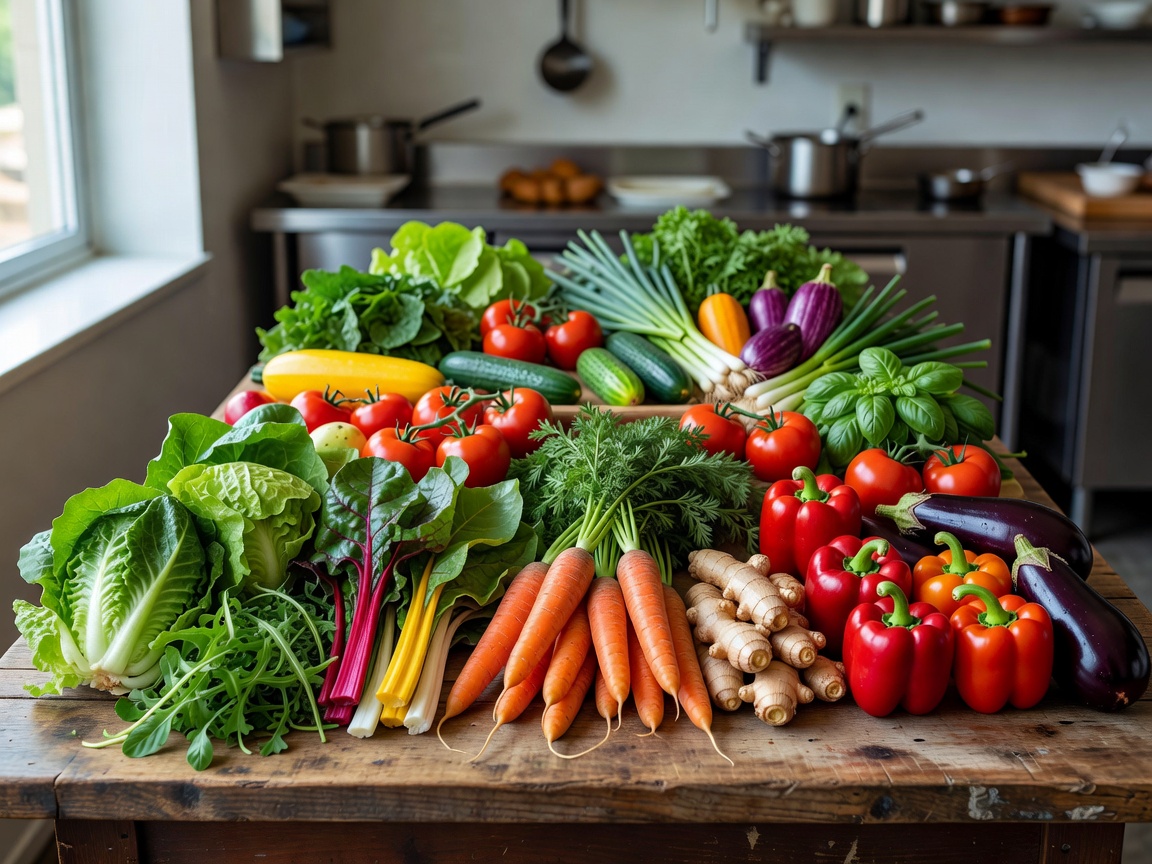
01 / STOCK & PURCHASING
AI inventory forecasting
Connect usage, recipes, stock counts and supplier timing to make purchasing decisions easier to review.
Explore inventory forecastingIndependent operations field guide
A practical guide to where AI-assisted analysis may help restaurant teams plan demand, monitor stock, understand menus, coordinate staff and respond to customer questions.

The operations library
Explore specific workflows, trade-offs and questions to ask before choosing a tool.
Connect usage, recipes, stock counts and supplier timing to make purchasing decisions easier to review.
Explore inventory forecasting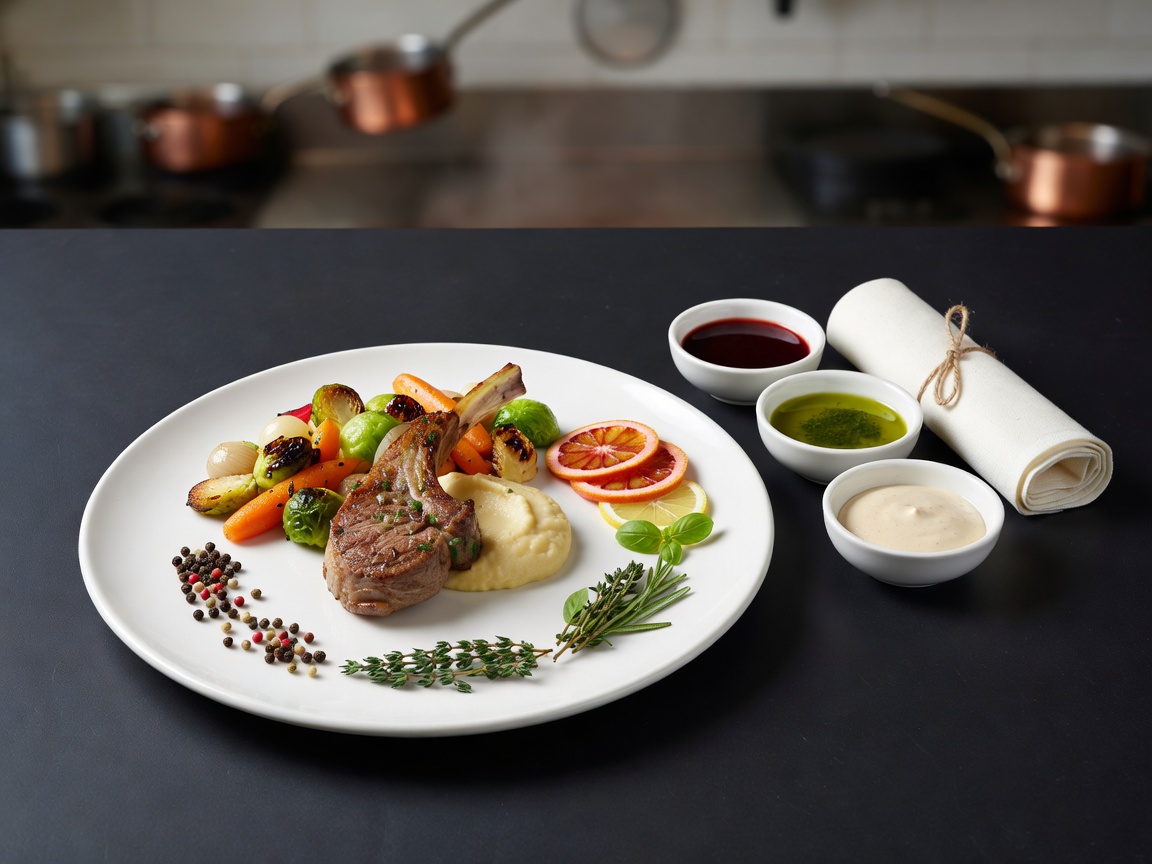
Put sales mix, recipe costs, preparation effort and culinary judgment in the same conversation.
Explore menu analysis
Handle routine questions carefully while keeping staff involved in sensitive and safety-critical cases.
Explore customer support
Assess forecast-led shift suggestions alongside skills, availability, fairness and applicable rules.
Explore staff scheduling
Consider day patterns, bookings, seasonality and local context without treating a forecast as certainty.
Explore demand planningA practical loop
AI can help surface patterns. Teams still need to check whether the pattern fits today's service.
Bring together relevant sales, stock, menu, booking and staffing records.
Look for patterns, inconsistencies and signals worth investigating.
Estimate likely requirements and keep uncertainty visible.
Let staff inspect assumptions, anomalies and unusual conditions.
Use approved recommendations to guide a real operational choice.
A sales record cannot explain every closed road, supplier delay, menu change or team constraint. Clean records help, but staff experience and local context are essential checks. Treat an output as a prompt for a better decision, not an instruction that overrides professional judgment.
Start with a real operating question