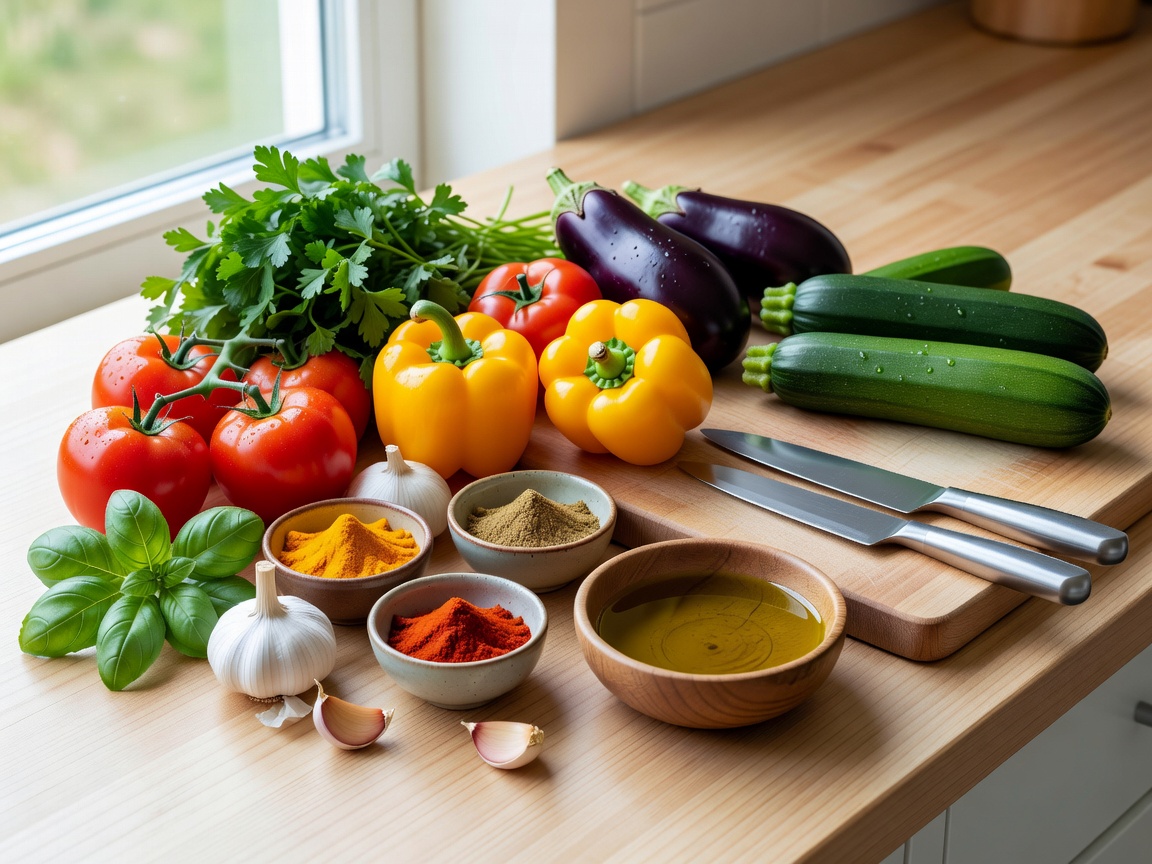
AI-supported menu analysis can organize point-of-sale results, recipe records and cost estimates to make patterns easier to inspect. It may show how frequently dishes sell, how ingredients overlap, or which recipes require attention. Use these findings as questions for a team, not automatic instructions to remove a dish, raise a price or change a recipe.
Understand the numbers before comparing dishes
Revenue is the money recorded from sales before costs are deducted. Ingredient cost estimates the cost of the food inputs used to make a dish. Gross profit is revenue less the direct cost being considered; in a simple food-cost view, that means sales revenue minus ingredient cost. Contribution margin describes what remains from a sale after specified variable costs are deducted, available to contribute toward other operating costs. The exact calculation depends on which costs a restaurant includes.
A dish with high sales can still contribute less than expected if its ingredients are costly, portions vary or preparation requires more work. A less frequently ordered dish may use ingredients that support several menu items, or it may be important to the restaurant's identity. Sales mix—the share or pattern of items ordered—adds context, but it does not tell the whole story. Labour, waste, service flow, customer expectations and culinary purpose matter too.
Consider a hypothetical bistro comparing two seasonal dishes. A dashboard might show one sells more often, while a recipe-cost review shows the other uses ingredients already prepared for several dishes. Before changing either item, the chef checks portion consistency, supplier substitutions, preparation time and how the menu reads as a whole. This example is illustrative, not a real restaurant case study.
Recipe consistency and menu complexity
Analysis is only as credible as the recipe and cost records behind it. If a recipe is missing a garnish, a unit is wrong or a portion differs by shift, the ingredient estimate may not reflect the dish guests receive. Regular recipe review, practical portion guidance and a clear process for recording substitutions help make comparisons more meaningful.
Ingredient overlap can reveal opportunities to simplify purchasing or reduce the number of items that are used only occasionally. But fewer ingredients are not automatically better. A distinctive dish, a dietary option or a seasonal special can have a legitimate role even if its ingredients do not appear elsewhere. Menu complexity is about the burden of prep, storage, training and service coordination—not just the count of ingredients.
Seasonal planning also requires a human view of supply, culinary fit and customer comprehension. AI might help find words that are hard to understand or compare menu descriptions for consistency. It should not invent ingredient origins, dietary assurances or promises about allergens. Staff must verify every customer-facing statement.
What AI can help surface—and what it cannot settle
A tool may make it easier to review sales mix across comparable periods, examine ingredient costs, identify recipes with incomplete data, and notice waste associated with low-demand dishes. Price sensitivity is the idea that customer demand can change when a price changes; it cannot be inferred confidently from one isolated price change if other factors shifted at the same time. Season, service, menu position, promotion and availability can all influence orders.
Short or incomplete sales histories are a major limitation. A new dish may need time to find its audience. A quiet week, temporary closure, menu placement change or missing point-of-sale modifiers can distort a comparison. Avoid drawing firm conclusions from a small sample or treating correlations as a reason to change a recipe. Ask vendors how comparable periods are selected and how incomplete data is flagged.
Selection criteria and common mistakes
Compare tools by how they ingest recipe and sales data, whether cost calculations are transparent, how recipe updates are versioned, and whether managers can correct a record. Ask if the system separates revenue from ingredient cost and makes its margin assumptions visible. Check whether it can handle substitutions, modifiers and changing ingredient prices without silently presenting stale estimates.
Common mistakes include ranking dishes only by sales volume, treating estimated ingredient costs as precise, removing a low-volume dish before understanding why it sells, and changing several factors at once. Another is allowing generated menu copy to make unverified claims. Keep chefs and front-of-house staff involved: they hear questions, notice execution problems and understand the experience the menu is designed to create.
A menu review checklist
- Are sales periods comparable, complete and long enough to be useful?
- Do recipes, portions, modifiers and ingredient costs reflect current practice?
- Are revenue, gross profit and contribution margin clearly distinguished?
- Have preparation effort, waste, ingredient overlap and service flow been considered?
- Can the team explain a proposed change and review its consequences?
- Have every dietary, ingredient and allergen statement been verified by staff?
Good for
Teams with reliable item-level sales and maintained recipes who want a more structured menu review—not a machine-led menu redesign.
What to know
Cost estimates and trends depend on the underlying records. Culinary judgment, customer context and safe ingredient communication remain essential.
Continue with inventory forecasting for stock and ingredient planning, or demand planning for wider sales context.